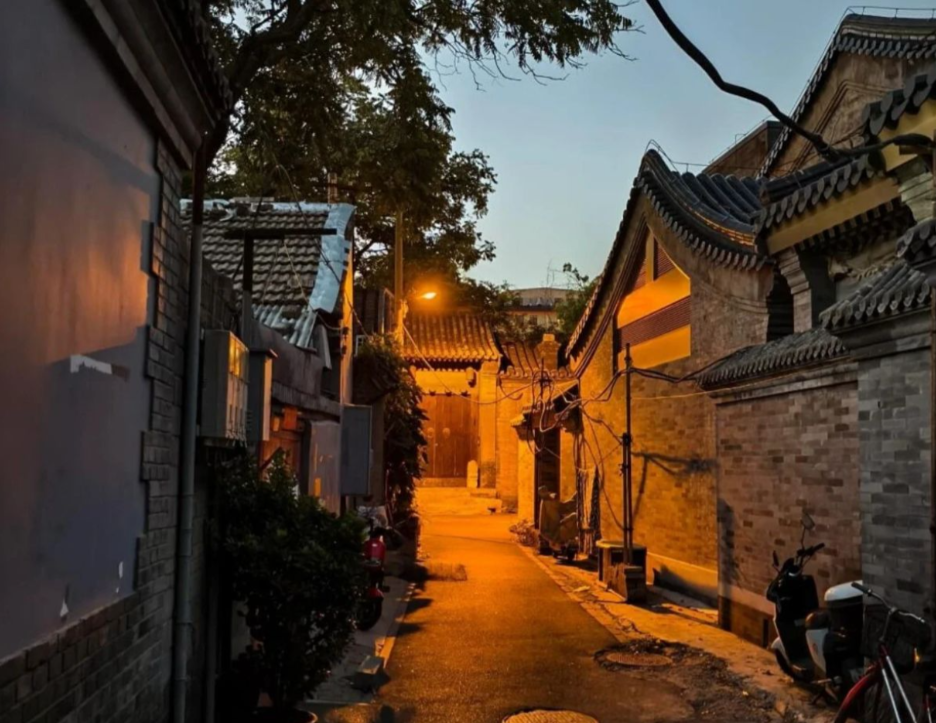

Hutong Culture is a unique folk cultural form specific to Beijing. It originated from the neighborhood system of the Dadu capital during the Yuan Dynasty, continued through the Ming and Qing dynasties, and persists to this day. Together with the siheyuan(courtyard residences), it constitutes the living space and cultural vehicle of traditional urban citizens . Its core reflects civic values such as a closed nature and knowing one's place. The writer Wang Zengqi summarized its philosophy of life as "endurance" . Daily activities include folk customs like casual chess games and communal drinking . The names of hutongs often derive from everyday life or local trade characteristics .
The Yuan Dynasty's Dadu capital laid the physical foundation for the hutongs, and the existing street layout can be traced back to the Yuan Dadu of 720 years ago . During the Ming and Qing periods, the number of hutongs increased from 459 to 959, and by 1949, there were 1,330 named hutongs in Beijing's urban area . Some hutongs, such as Zhanta Hutong (Brick Pagoda Lane), have served functions like opera performance and military purposes since the Yuan Dynasty, and literary figures like Lu Xun once lived and created works there .
With urban modernization, hutongs have gradually declined. However, efforts such as digital preservation projects (e.g., the Xicheng District Cultural Gene Project) and renovation programs are helping to continue their cultural legacy . Existing hutongs like Shijia Hutong and Yangmeizhu Xiejie still retain the characteristic interweaving of historical relics and the vibrant life of the common people .