
Culture
-
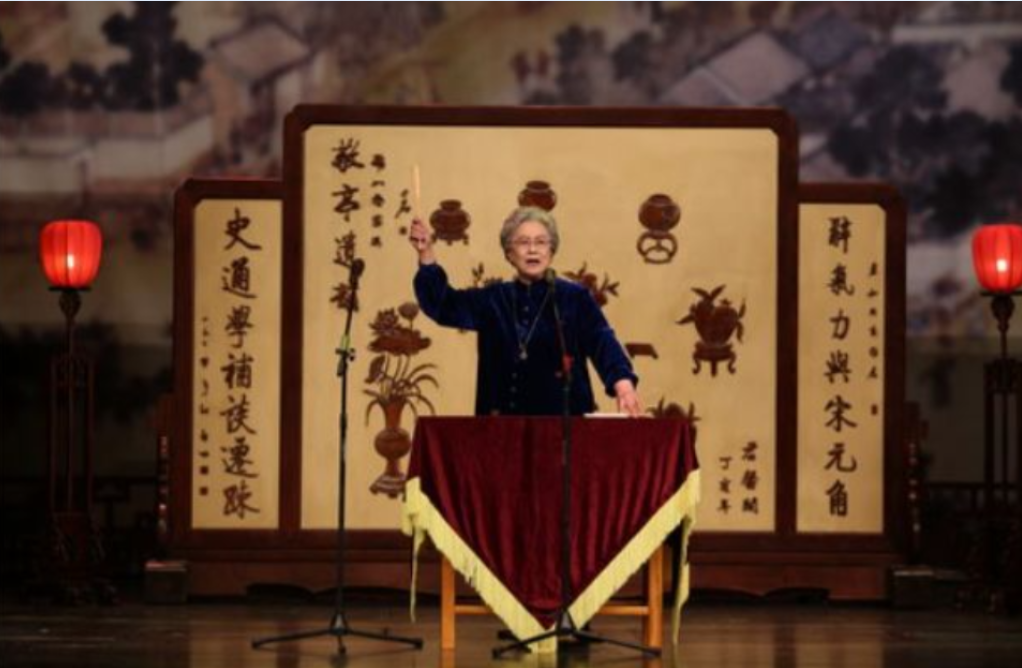
![]() Beijing Pingshu (Beijing Storytelling)Beijing Pingshu (Beijing Storytelling) is a traditional Chinese oral performing art based on standard Mandarin. Its origins can be traced back to the Spring and Autumn Period, taking shape during the late Ming and early Qing dynasties, solidifying in the late Qing and early Republic of China period, and reaching its peak in the 1930s and 1940s. It is highly popular in Beijing, Tianjin, Hebei Province, and Northeast China . The performance typically features a single storyteller. Traditionally, a table and a chair are placed on the stage, with three essential props on the table: a wakewood (xingmu, used for emphasis), a folding fan, and a handkerchief. The performer sits while narrating. However, some modern artists choose to perform standing without using any props or furniture . Representative works include "Romance of the Three Kingdoms" (Sanguo Yanyi) and "Generals of the Yang Family" (Yangjia Jiang) . In 2008, Beijing Pingshu was inscribed onto the second batch of Beijing Municip...2025/09/29
Beijing Pingshu (Beijing Storytelling)Beijing Pingshu (Beijing Storytelling) is a traditional Chinese oral performing art based on standard Mandarin. Its origins can be traced back to the Spring and Autumn Period, taking shape during the late Ming and early Qing dynasties, solidifying in the late Qing and early Republic of China period, and reaching its peak in the 1930s and 1940s. It is highly popular in Beijing, Tianjin, Hebei Province, and Northeast China . The performance typically features a single storyteller. Traditionally, a table and a chair are placed on the stage, with three essential props on the table: a wakewood (xingmu, used for emphasis), a folding fan, and a handkerchief. The performer sits while narrating. However, some modern artists choose to perform standing without using any props or furniture . Representative works include "Romance of the Three Kingdoms" (Sanguo Yanyi) and "Generals of the Yang Family" (Yangjia Jiang) . In 2008, Beijing Pingshu was inscribed onto the second batch of Beijing Municip...2025/09/29 -
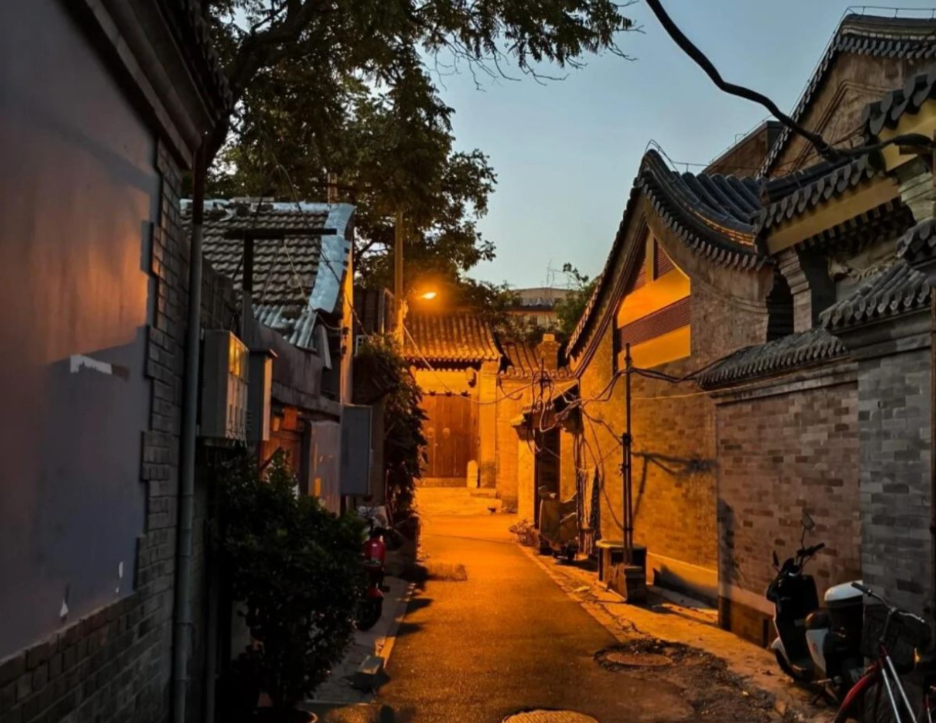
![]() Hutong CultureHutong Culture is a unique folk cultural form specific to Beijing. It originated from the neighborhood system of the Dadu capital during the Yuan Dynasty, continued through the Ming and Qing dynasties, and persists to this day. Together with the siheyuan(courtyard residences), it constitutes the living space and cultural vehicle of traditional urban citizens . Its core reflects civic values such as a closed nature and knowing one's place. The writer Wang Zengqi summarized its philosophy of life as "endurance" . Daily activities include folk customs like casual chess games and communal drinking . The names of hutongs often derive from everyday life or local trade characteristics . The Yuan Dynasty's Dadu capital laid the physical foundation for the hutongs, and the existing street layout can be traced back to the Yuan Dadu of 720 years ago . During the Ming and Qing periods, the number of hutongs increased from 459 to 959, and by 1949, there were 1,330 named hutongs in Beijing's urban ...2025/09/29
Hutong CultureHutong Culture is a unique folk cultural form specific to Beijing. It originated from the neighborhood system of the Dadu capital during the Yuan Dynasty, continued through the Ming and Qing dynasties, and persists to this day. Together with the siheyuan(courtyard residences), it constitutes the living space and cultural vehicle of traditional urban citizens . Its core reflects civic values such as a closed nature and knowing one's place. The writer Wang Zengqi summarized its philosophy of life as "endurance" . Daily activities include folk customs like casual chess games and communal drinking . The names of hutongs often derive from everyday life or local trade characteristics . The Yuan Dynasty's Dadu capital laid the physical foundation for the hutongs, and the existing street layout can be traced back to the Yuan Dadu of 720 years ago . During the Ming and Qing periods, the number of hutongs increased from 459 to 959, and by 1949, there were 1,330 named hutongs in Beijing's urban ...2025/09/29 -
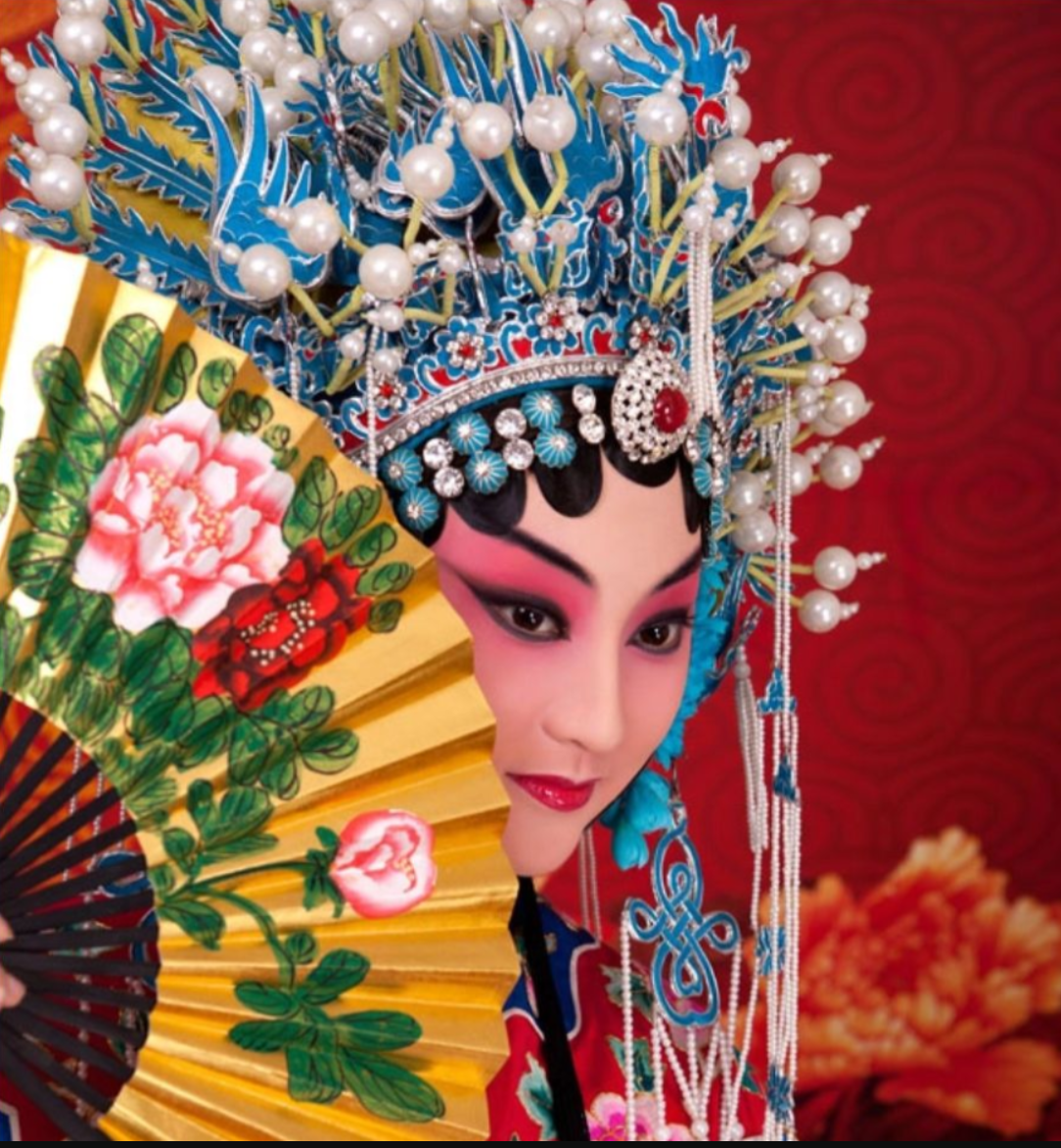
![]() Peking OperaPeking Opera (also known as Beijing Opera or Jingju), recognized as one of China's cultural treasures, is the most influential form of traditional Chinese theatre. While its distribution centers on Beijing, it is practiced throughout the country .Its formation dates back to the 55th year of the Qianlong Emperor's reign in the Qing Dynasty (1790), when the Four Great Anhui Troupes—Sanqing, Sixi, Chuntai, and Hechun—originally based in southern China, successively entered Beijing. They collaborated with performers of the Han opera from Hubei Province, creating a performance structure described as "troupes are Hui troupes, tunes are Han tunes" . This foundation was further enriched by incorporating elements from Kunqu Opera, Qinqiang (Shaanxi opera), and various local folk melodies. Through continuous exchange and integration, Peking Opera evolved, characterized by its dominant Xipi and Erhuang musical modes, and a delivery that blends Beijing and Han linguistic features with Huguang pron...2025/09/22
Peking OperaPeking Opera (also known as Beijing Opera or Jingju), recognized as one of China's cultural treasures, is the most influential form of traditional Chinese theatre. While its distribution centers on Beijing, it is practiced throughout the country .Its formation dates back to the 55th year of the Qianlong Emperor's reign in the Qing Dynasty (1790), when the Four Great Anhui Troupes—Sanqing, Sixi, Chuntai, and Hechun—originally based in southern China, successively entered Beijing. They collaborated with performers of the Han opera from Hubei Province, creating a performance structure described as "troupes are Hui troupes, tunes are Han tunes" . This foundation was further enriched by incorporating elements from Kunqu Opera, Qinqiang (Shaanxi opera), and various local folk melodies. Through continuous exchange and integration, Peking Opera evolved, characterized by its dominant Xipi and Erhuang musical modes, and a delivery that blends Beijing and Han linguistic features with Huguang pron...2025/09/22